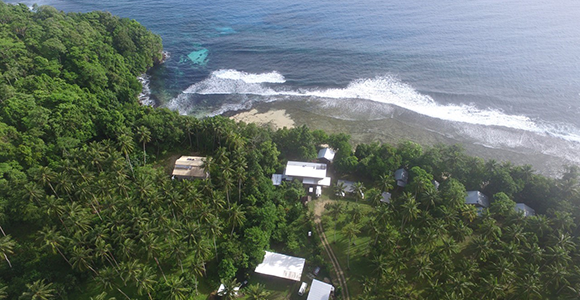
Shane Clark, owner of Rubio Plantation Retreat, has discovered a novel way to grow his surf business. In this exclusive interview, he shares with Business Advantage PNG the secrets to thrive in Papua New Guinea.

Shane Clark, owner of Rubio Plantation Retreat, has discovered a novel way to grow his surf business. In this exclusive interview, he shares with Business Advantage PNG the secrets to thrive in Papua New Guinea.
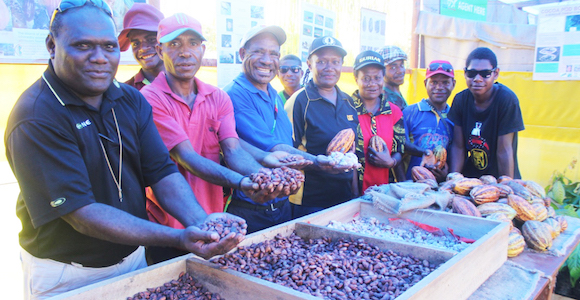
Cocoa is Papua New Guinea’s third-largest agricultural export. The inaugural Cocoa of Excellence show held recently in Kokopo focused on improving the quality of cocoa production to better meet international market requirements.
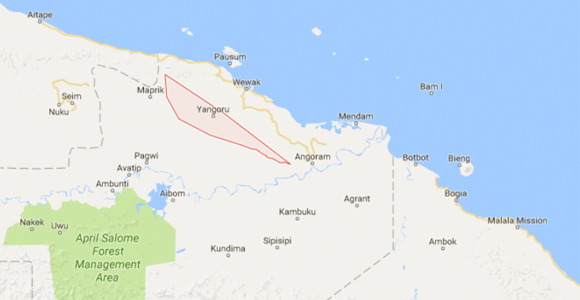
The holding company for Papua New Guinea’s state-owned enterprises, Kumul Consolidated Holdings, is making its first foray into agriculture, establishing a joint venture in East Sepik Province with Israel’s L R Group.

Some of the world’s best cacao is growing in Papua New Guinea and is being increasingly used in the high-end global chocolate market. Susan Gough Henly reports on why one Australian chocolate maker uses only PNG beans.
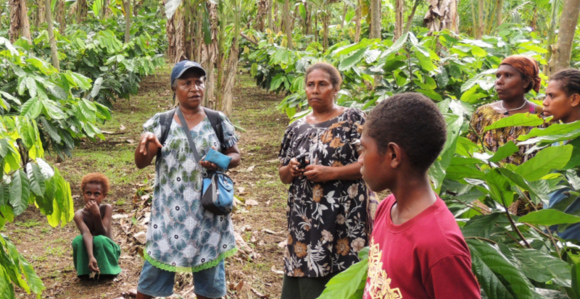
Despite growing demand for cocoa around the world, the industry in Papua New Guinea is in crisis, with production in East New Britain alone plummeting by 82% between 2008 and 2012. Business Advantage PNG reports on attempts to combat the pest which threatens the sector.
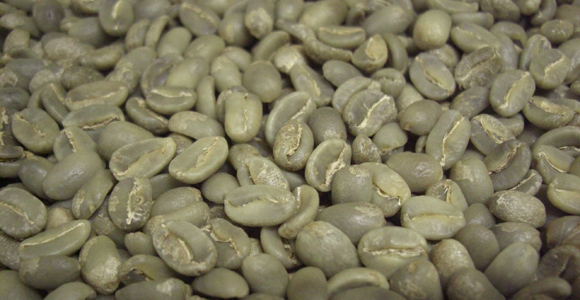
Commodities prices have been sold off heavily over the past week on worries that the global economy will slow. What does this mean for Papua New Guinea’s agricultural producers?

Although gross domestic product (GDP) growth halved last year in the Solomon Islands, the Central Bank of the Solomon Islands’ (CBSI) 2012 annual report, released last week, makes encouraging reading.

Bob Hansen, MD of major agribusiness Mainland Holdings, considers the threats and opportunities to Papua New Guinea from climate change.

Papua New Guinea’s very own gourmet chocolate may have only been on sale for a few weeks, but its production line has already been honoured with a visit from the recent business delegation that accompanied the Thai Prime Minister.

Papua New Guinea’s agricultural sector has a number of competitive advantages, including high seasonal rainfall, good quality soil and low-intensity methods. The absence of pesticides and artificial fertilisers presents opportunities for PNG to position itself as a leading organic producer.